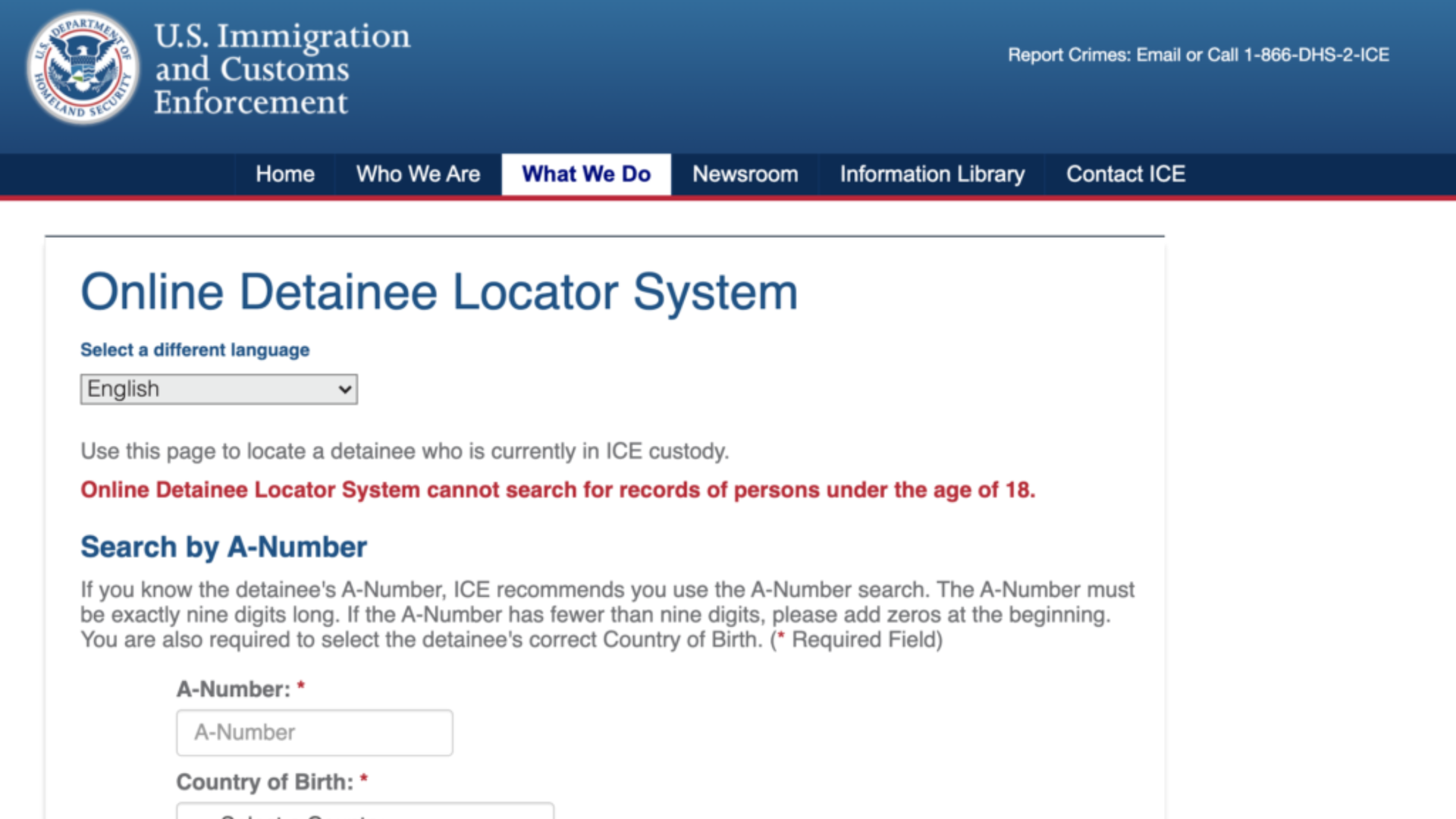

How a U.S. Citizen Can Exit an ICE Encounter
U.S. citizens may occasionally be questioned by immigration officers during enforcement operations. Although citizens cannot be deported, these encounters can still be stressful and confusing.
If an immigration officer approaches you, the first step is to remain calm. Ask a clear and simple question: “Am I being detained, or am I free to go?”
If the officer says you are free to leave, you may calmly walk away. You do not need to continue answering questions.
Agents from U.S. Immigration and Customs Enforcement sometimes question individuals in areas where enforcement operations are taking place. Even in those situations, U.S. citizens still have constitutional protections.
You are not required to answer questions about where you were born, your immigration status, or where you are going. If you choose to respond, you may simply state that you are a U.S. citizen and prefer not to answer additional questions.
In some cases, officers may ask for identification. While citizens may carry identification for practical reasons, the law generally does not require U.S. citizens to carry proof of citizenship at all times.
If the situation becomes uncomfortable or unclear, it is best to politely repeat your question about whether you are free to leave. Remaining respectful while asserting your rights can help prevent the situation from escalating.
If you believe your rights were violated during an encounter, write down everything you remember after the interaction ends. Details such as officer names, vehicle numbers, and the location of the encounter may be useful later.
Understanding your rights allows you to navigate these situations confidently and safely. Your rights matter. If you need legal support, contact our office at (703) 506-1400.