
Know Your Rights: Immigrants and the 2026 Midterm Elections

Jamal Masumi • October 28, 2026
Immigrants Rights & Voting Rules for the 2026 Midterms | Johnson & Masumi

As Election Day on November 3, 2026, approaches, questions regarding civic participation, voting eligibility, and legal protections are top of mind for many individuals across the United States. Whether you are a newly naturalized U.S. citizen, a lawful permanent resident (green card holder), or navigating another noncitizen status, understanding your legal rights is essential to protecting yourself, your family, and your future.

Misinformation regarding voting rules and immigration enforcement often circulates heavily during election seasons. Knowing the exact boundaries of the law ensures you can safely exercise your voice where permitted, avoid accidental legal violations, and recognize improper government or third-party interference.

What You Can Do, By Immigration Status

Immigration status dictates your exact rights and responsibilities during election cycles. Here is a quick breakdown of what is permitted:

Activity Naturalized Citizen Green Card Holder Other Noncitizens (Visa, Undocumented, Pending)
Vote in federal & state elections Yes No No
Vote in local elections Yes Only in select towns (e.g., Takoma Park, MD). Consult a lawyer first. Only in select towns. Consult a lawyer first.
Volunteer for a campaign Yes Yes Yes
Donate to a federal campaign Yes Yes No
Remain silent if questioned Yes Yes (Carry your green card) Yes
Refuse home entry w/o warrant Yes Yes Yes

Important Note: If you have applied for citizenship but have not yet taken the official oath, you are not a U.S. citizen and cannot legally vote in this election, even if your application has been approved.

Rights and Rules for U.S. Citizens (Including Naturalized Citizens)

If you have completed the naturalization process or were born a U.S. citizen, your voice holds equal weight under the law.

  • Equal Voting Status: Where you were born does not matter. Your vote counts exactly the same as any other citizen's vote.
  • Citizenship Security: Voting as a U.S. citizen does not put your status at risk. Denaturalization cases target rare fraud in original acquisitions, not regular civic voting.
  • Standard ID Rules: You follow the same identification rules as every other voter in your state. Poll workers cannot demand a naturalization certificate due to name, accent, or appearance.
  • Provisional Ballots: If your eligibility is incorrectly challenged, calmly request a provisional ballot. You have a legal right to cast one while your status is verified.
  • Assistance: You may bring someone to assist you with reading, writing, or disabilities (excluding your employer or union representative).

Guidelines for Green Card Holders and Other Noncitizens

For noncitizens, navigating election season requires extreme caution to avoid severe, long-term immigration penalties.

  • Never Vote or Register: Registering or voting in federal or state elections is a serious federal crime leading to deportation and permanent bars to citizenship.
  • Avoid False Claims: Never check the "I am a U.S. citizen" box on any official form, including DMV paperwork.
  • Accidental Registrations: If registered by mistake or sent a mail-in ballot, do not vote or panic-dispose of it. Consult an immigration lawyer first.
  • Citizenship Applications: Always answer truthfully. Naturalization forms ask if you have ever registered or voted; omitting past accidental registrations carries steep penalties (up to 10 years).
  • Document Carriage: Lawful permanent residents aged 18 and older must carry their physical green card at all times by law.

Know Your Rights: Encounters with Federal Agents

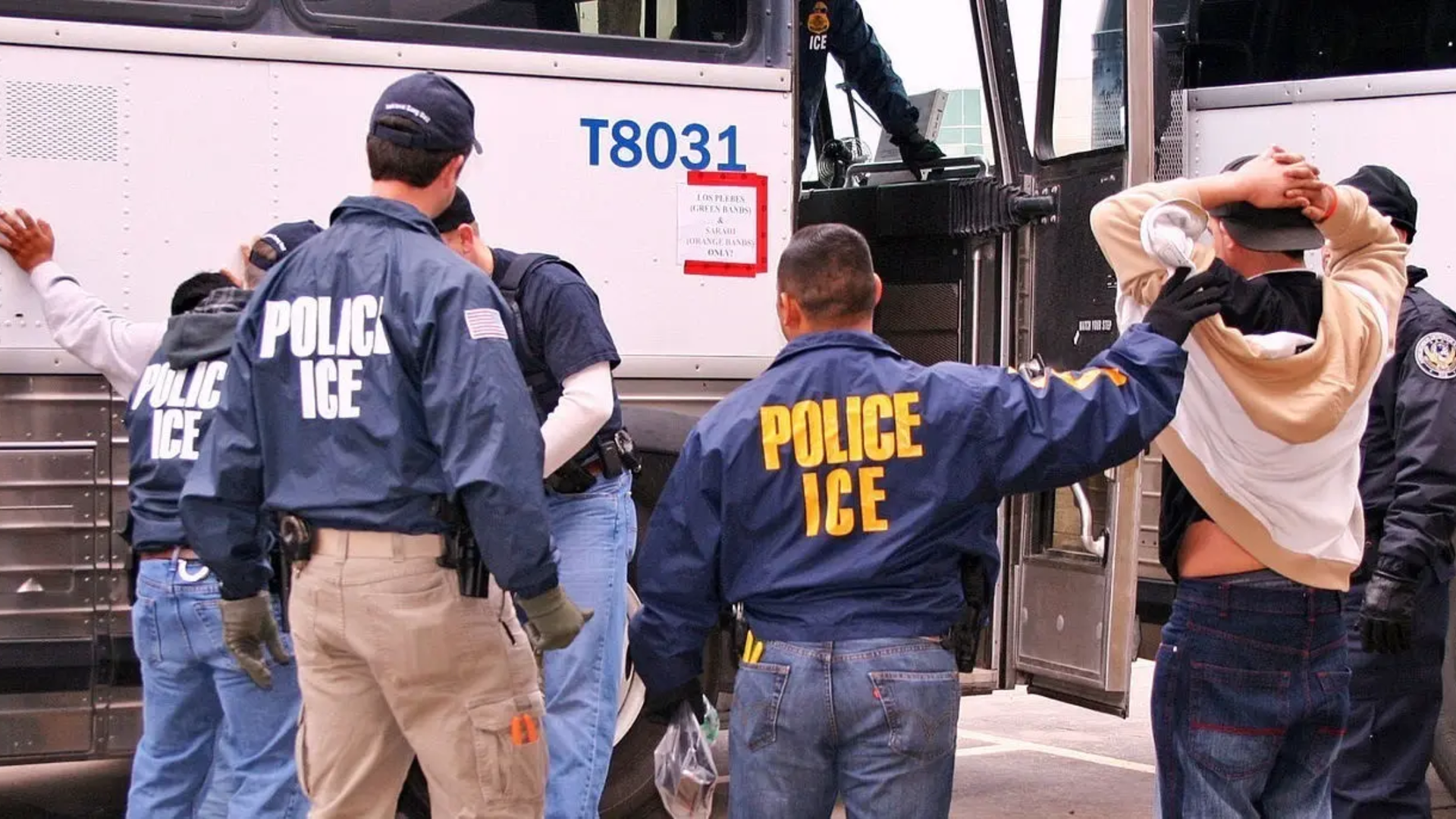
Federal agents have occasionally visited residential neighborhoods to inquire about voting records. Knowing how to protect your household is vital:

  • Home Entry Requires Judicial Warrant: You are not obligated to open your door unless agents display a search warrant signed by a judge with your correct name and address. Administrative ICE forms do not grant home entry.
  • Right to Remain Silent: You can clearly state: "I choose to remain silent and I want to speak with a lawyer."
  • Never Lie: Providing false information or fraudulent documents to federal agents is a distinct crime. Silence is protected; lying is not.

Protecting the Polls: Preventing Intimidation

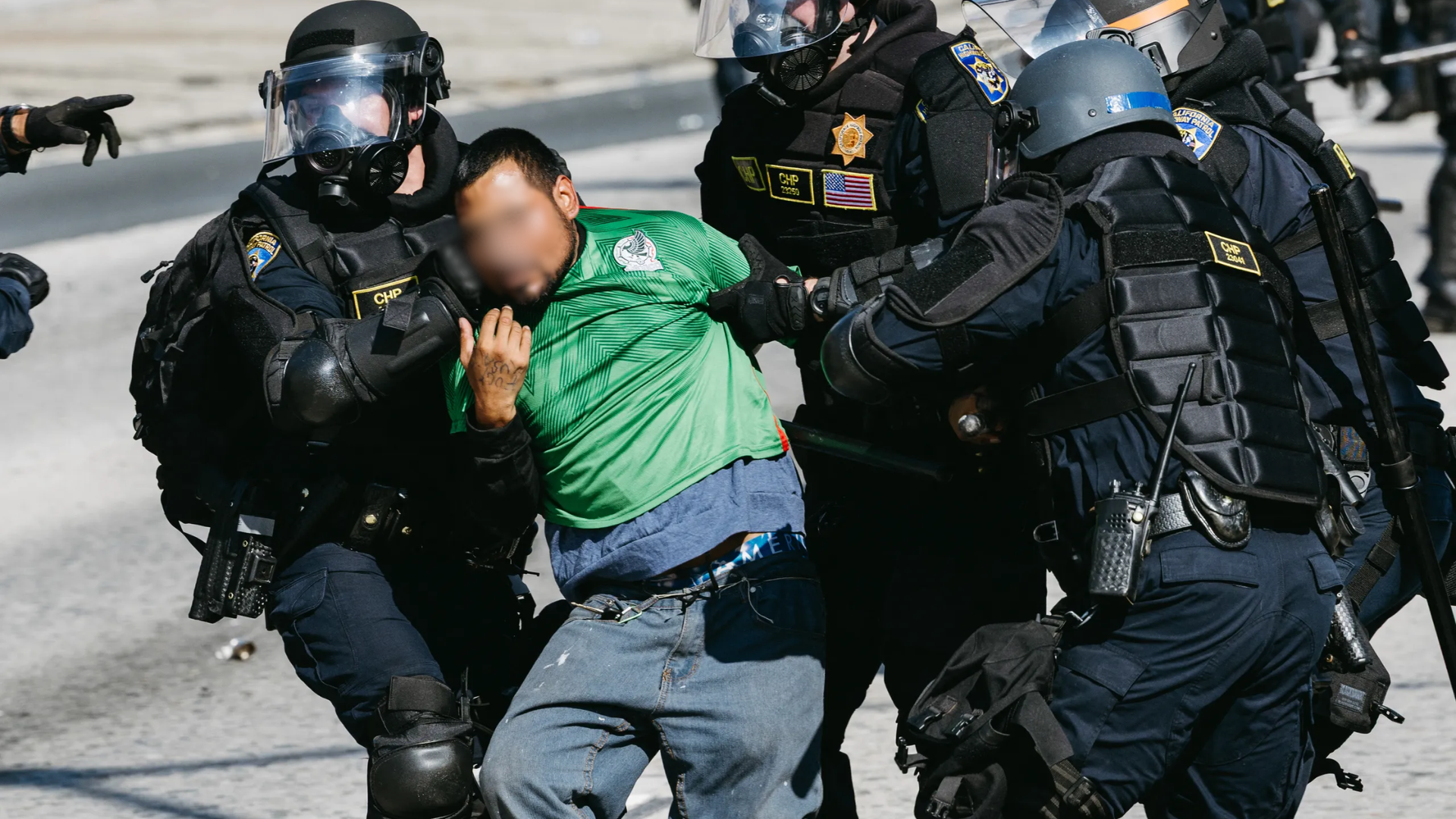
Voter intimidation is a federal crime, and federal law bars armed officers from polling places. If you face issues at the polls:

  • Stay in line if you are an eligible voter. You do not have to answer status questions.
  • Report intimidation immediately to poll workers or election officials.
English Hotline 866-OUR-VOTE (866-687-8683)
Spanish Hotline 888-VE-Y-VOTA (888-839-8682)
Asian Languages 888-API-VOTE (888-274-8683)
Arabic Hotline 844-YALLA-US (844-925-5287)

Frequently Asked Questions (FAQ)

Can a naturalized U.S. citizen have their citizenship revoked for voting?

No. Voting as a U.S. citizen does not jeopardize your citizenship. Denaturalization proceedings target fraud in the original acquisition of status, not regular civic participation.

What happens if I am a green card holder and accidentally registered to vote?

Do not attempt to vote or discard documents in a panic. Contact an experienced immigration attorney immediately to review your file and address the registration safely.

Do I have to let immigration agents into my home during election season?

No. You are not required to open your door unless agents show a warrant signed by a judicial judge with your correct name and address.

Can ICE agents conduct operations inside or near polling places?

Federal law prohibits armed officers at polling places, and DHS confirms ICE has no planned operations at polling sites. You have the right to stay in line and report intimidation.

What should I do if I believe I derived citizenship through my parents?

If there is any ambiguity about your legal status, consult a licensed immigration lawyer before registering or attempting to vote.

Conclusion

Navigating U.S. elections requires clarity and adherence to federal laws. While citizens should vote with confidence, noncitizens must carefully protect their status. To discuss your case with a knowledgeable legal advocate, contact Johnson & Masumi, P.C. at 703-506-1500 or visit www.johnsonmasumi.com.
Legal Disclaimer: The information provided in this article is for general educational purposes only and does not constitute legal advice. Reading this content does not establish an attorney-client relationship between you and Johnson & Masumi, P.C. Always consult a licensed immigration attorney regarding your specific legal circumstances.
© 2026 Johnson & Masumi, P.C. All rights reserved. | Vienna, Virginia, USA
May 19, 2026
Encounters with immigration officers can be stressful and confusing. Many people wonder whether immigration agents can legally stop someone on the street and askquestions. Understanding your rights during these encounters is important. Agents from U.S. Immigration and Customs Enforcement (ICE) may approach individuals in public spaces. However, simply being stopped by an officer does not automatically mean you are required to answer questions. In many situations, people have the right to remain silent. If an immigration officer approaches you on the street, you have the right to ask if you are being detained or if you are free to leave. If the officer says you are free to go, you may calmly walk away. You do not have to answer questions about where you were born, your immigration status, or how you entered the United States. It is also important to remember that you do not have to consent to a search of your belongings unless the officer has legal authority to conduct one. Officers may attempt to continue the conversation, but remaining calm and respectful while asserting your rights can help prevent unnecessary complications. People who are not U.S. citizens should avoid providing false documents or false statements. Providing incorrect information can lead to serious immigration consequences. If you experience an encounter with immigration officers, try to remember important details such as the location, time, and what was said during the interaction. Sharing this information with an immigration attorney can help you understand whether your rights were respected. Knowing your rights can help you stay calm and make informed decisions if you ever encounter immigration officers in a public space. If you or a loved one needs immigration guidance, our team is here to help. (703) 506-1400
May 19, 2026
Seeing someone detained by immigration officers can be alarming. Many people want to help but are unsure what they are allowed to do without putting themselves at risk. The first thing to understand is that simply observing and documenting a public encounter is generally legal. Community members can play an important role by acting as witnesses. Calm observation can sometimes discourage misconduct and ensure that the situation is handled properly. If you witness an encounter involving agents from U.S. Immigration and Customs Enforcement, try to remain calm and keep a safe distance. Avoid interfering physically with officers, as this can create legal problems for you. If it is safe to do so, you may document the situation. Recording video or taking notes can help preserve important details about the interaction. Pay attention to the location, the time, how many officers are present, and whether they show identification or a warrant. Witnesses can also help by reminding individuals of their rights in a calm and respectful way. For example, you may remind someone that they have the right to remain silent or that they can ask to speak with an attorney. After the incident, documenting what you saw can be helpful. Write down everything you remember as soon as possible. This information may later help attorneys or community organizations understand what happened. Supporting community members during stressful situations does not require confrontation. Sometimes the most powerful support is simply being present, informed, and prepared to document what you see. Unsure about your rights or next steps? Contact our office at (703) 506-1400 .
May 19, 2026
U.S. citizens may occasionally be questioned by immigration officers during enforcement operations. Although citizens cannot be deported, these encounters can still be stressful and confusing. If an immigration officer approaches you, the first step is to remain calm. Ask a clear and simple question: “Am I being detained, or am I free to go?” If the officer says you are free to leave, you may calmly walk away. You do not need to continue answering questions. Agents from U.S. Immigration and Customs Enforcement sometimes question individuals in areas where enforcement operations are taking place. Even in those situations, U.S. citizens still have constitutional protections. You are not required to answer questions about where you were born, your immigration status, or where you are going. If you choose to respond, you may simply state that you are a U.S. citizen and prefer not to answer additional questions. In some cases, officers may ask for identification. While citizens may carry identification for practical reasons, the law generally does not require U.S. citizens to carry proof of citizenship at all times. If the situation becomes uncomfortable or unclear, it is best to politely repeat your question about whether you are free to leave. Remaining respectful while asserting your rights can help prevent the situation from escalating. If you believe your rights were violated during an encounter, write down everything you remember after the interaction ends. Details such as officer names, vehicle numbers, and the location of the encounter may be useful later. Understanding your rights allows you to navigate these situations confidently and safely. Your rights matter. If you need legal support, contact our office at (703) 506-1400.
May 19, 2026
Immigration interviews often include detailed questions about an applicant’s history in the United States. One question that frequently causes concern is whether the applicant has ever worked in the United States without authorization. This question can be extremely important because unauthorized employment may affect eligibility for certain immigration benefits. The impact depends on the type of application, the immigration category, and the applicant’s overall history. For example, some immigration categories allow limited forgiveness for unauthorized employment, while others do not. In certain cases, working without authorization can complicate an application for permanent residence. The most important thing during any immigration interview is honesty. Providing false information or hiding facts can lead to far more serious consequences than the underlying issue itself. Misrepresentation can result in application denial and long term immigration consequences. Applicants should review their immigration history carefully before attending an interview. This includes understanding past employment, periods of unauthorized work, and how those details appear in previous applications or records. Preparation is key. Working with an experienced immigration attorney can help applicants understand how specific facts may affect their case. An attorney can also help prepare clients to answer difficult questions clearly and truthfully. Immigration interviews are designed to verify information and evaluate eligibility. Being prepared and honest can help applicants navigate the process with greater confidence and clarity. Every immigration case is different. Speak with our team directly at (703) 506-1400 .
May 19, 2026
During enforcement encounters, immigration officers may use certain questioning techniques to encourage people to speak. Understanding these tactics can help individuals protect their rights and avoid making statements that could affect their immigration case. Agents from U.S. Immigration and Customs Enforcement are trained investigators. Their goal is often to gather information quickly. People who are unfamiliar with their rights may feel pressured to answer questions immediately. One common tactic is casual conversation. Officers may start with friendly questions such as where you are from or how long you have lived in the area. These questions may seem harmless, but the answers could reveal information about immigration status. Another tactic involves presenting documents or asking someone to confirm personal details. Officers may ask people to verify their name, address, or place of birth. These questions can lead to additional inquiries about immigration history. A third tactic is urgency. Officers may suggest that cooperating quickly will make the situation easier or faster. This can make people feel pressured to speak without thinking about the consequences. It is important to remember that many individuals have the right to remain silent during encounters with immigration officers. Politely stating that you choose not to answer questions and wish to speak with an attorney is a lawful response. Remaining calm, respectful, and informed can make a significant difference during these situations. Knowing your rights allows you to protect yourself while avoiding unnecessary conflict. Staying informed & prepared can make a difference. If you need legal guidance, contact us at (703) 506-1400 .
Yellow paper with “IMPORTANT NOTICE” in black; “PLEASE READ IMMEDIATELY” below.
November 13, 2025
If you or someone you love receives a Notice to Appear (NTA), it means deportation proceedings are being started. Johnson & Masumi, P.C. explains what an NTA means and the key steps you should take immediately to protect your case.
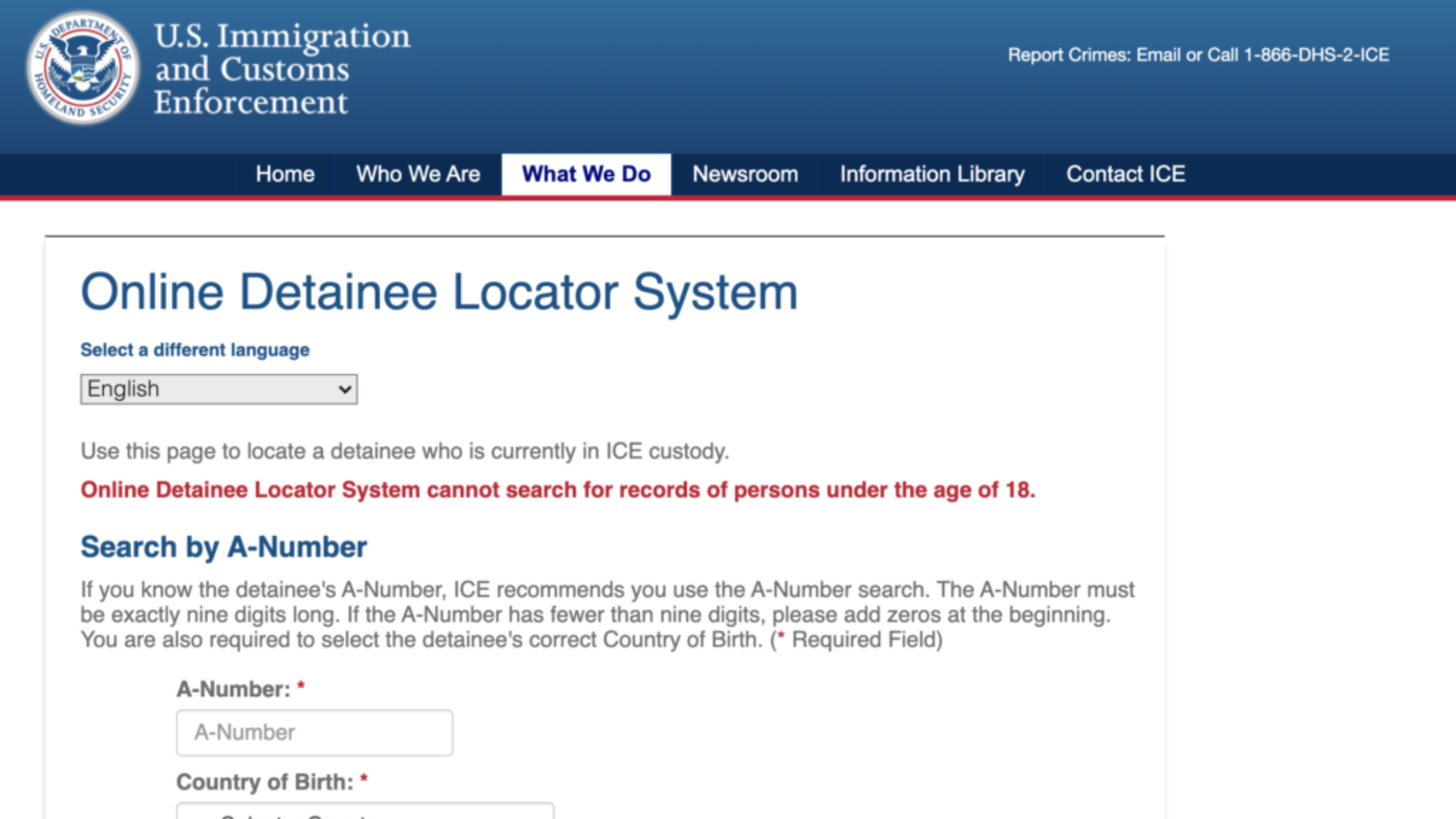
U.S. Immigration and Customs Enforcement's Online Detainee Locator System webpage. Allows searches for detainees.
November 13, 2025
Need to find someone in ICE custody? Johnson & Masumi, P.C. explains how to use the ICE Online Detainee Locator step by step, what info you’ll need, and what to do if the person doesn’t appear in the system.
Men in vests labeled
November 13, 2025
ICE agents sometimes use pressure tactics, misrepresentations, and sympathetic pleas to try to get people to speak. Johnson & Masumi, P.C. explains common tactics and practical steps to protect your rights.
Person signing a document, with a laptop and American flag on the table.
November 13, 2025
A single question — “Have you ever worked in the U.S. without authorization?” — can make or break your immigration interview. Johnson & Masumi, P.C. explains why honesty matters, what’s at stake, and how to prepare.
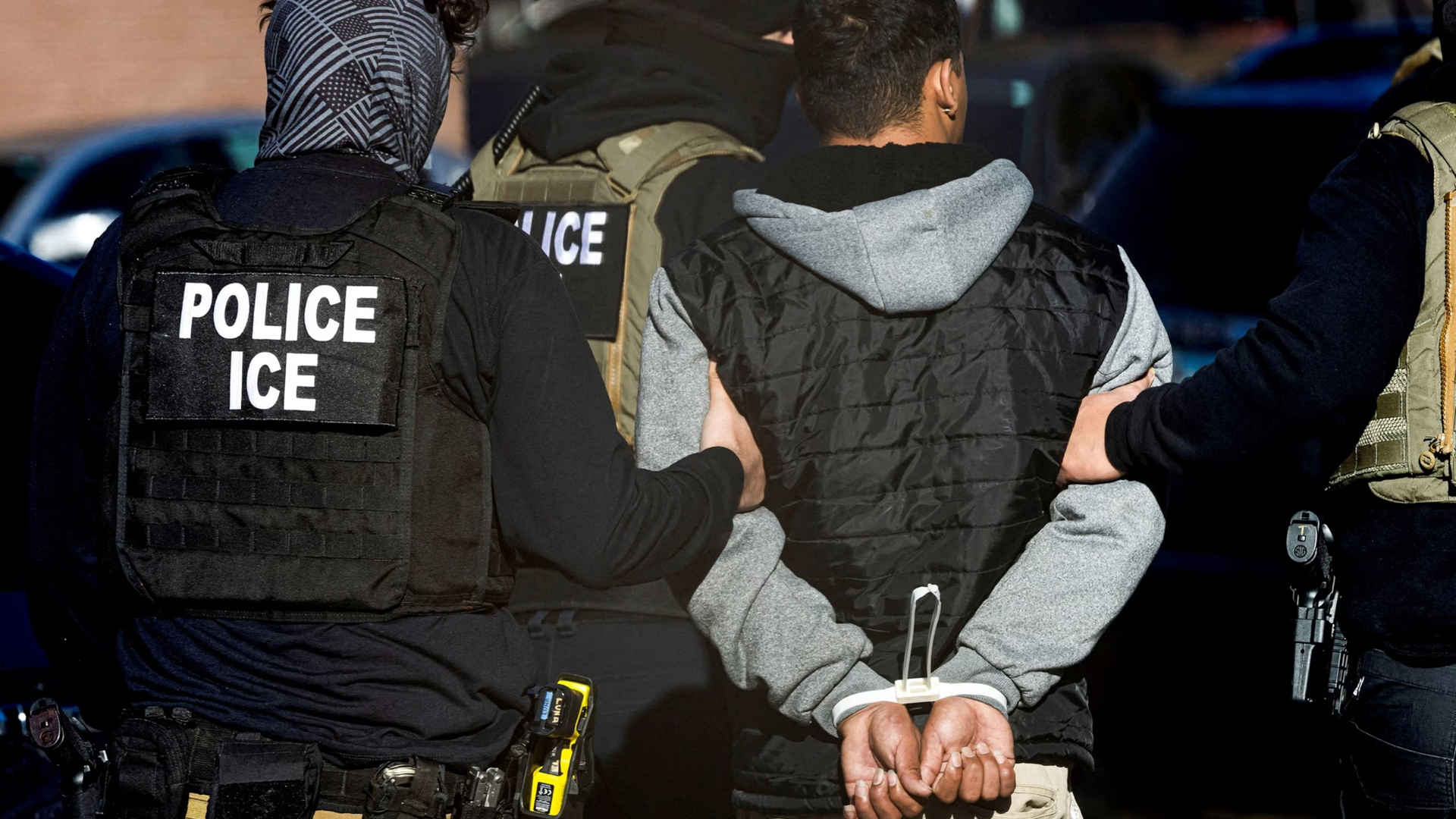
ICE officers arresting a person in handcuffs.
November 13, 2025
Learn what to do if you witness an ICE detention. Johnson & Masumi, P.C. explains how to safely record, protect others’ rights, and get legal help for detained immigrants.