
Know Your Rights at the Polls: A Guide for Naturalized Citizens and Immigrant Communities
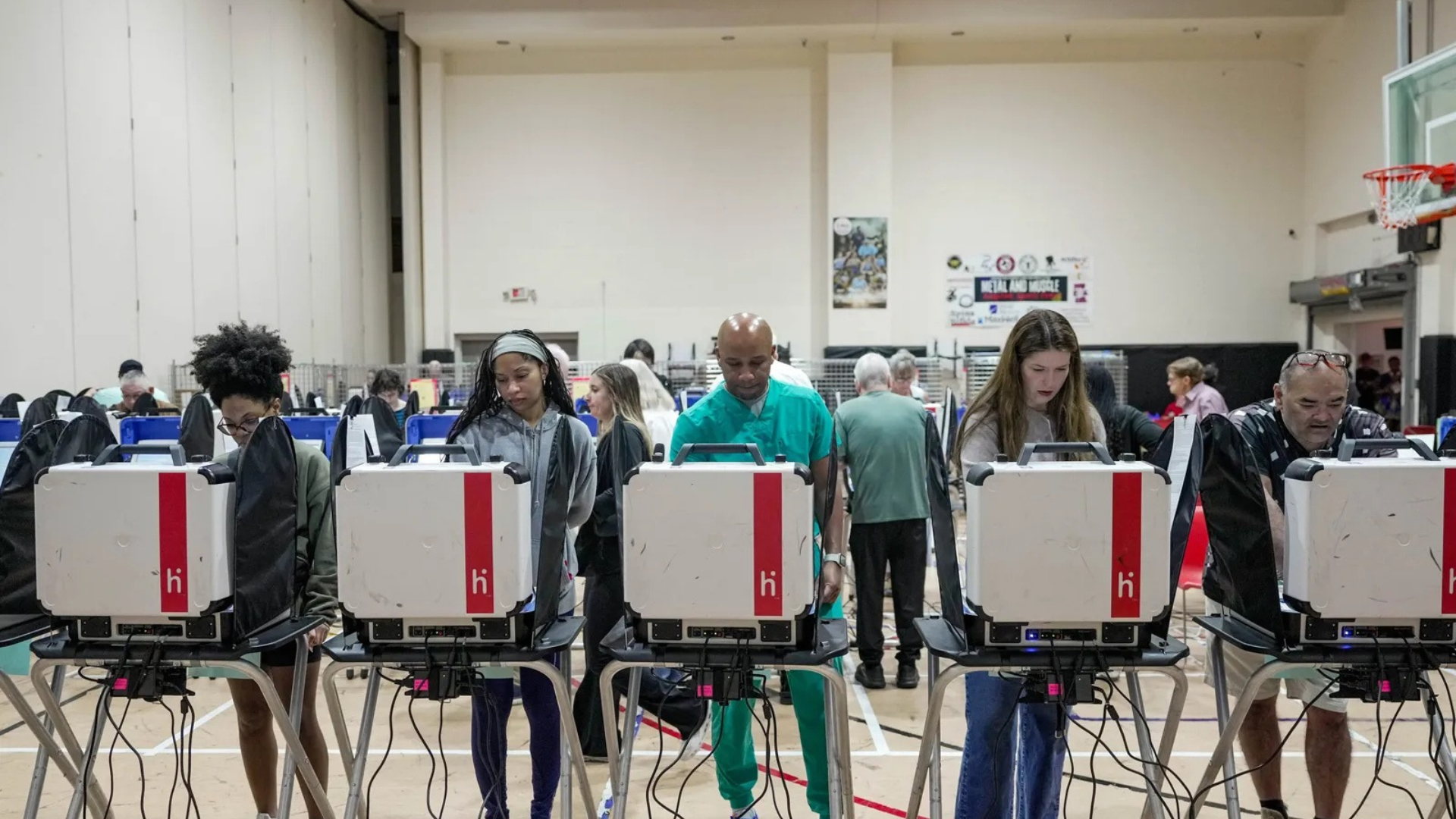
Election Day during major election cycles brings vital conversations to the forefront regarding civic participation, voting rights, and legal protections for immigrant communities across the United States. Whether you are a newly naturalized U.S. citizen, a lawful permanent resident (green card holder), or living in a mixed-status family, understanding your legal rights is essential for protecting yourself, your loved ones, and your future.
Below is an overview of key legal protections at the ballot box, civic options for non-citizens, and critical "Know Your Rights" guidance during interactions with election workers or law enforcement.
1. Naturalized Citizens Have Equal Voting Rights
When naturalized citizens cast their ballots in U.S. elections—including federal, state, and local races—their votes count exactly the same as those born in the United States. With approximately 26 million naturalized citizens eligible to participate in the American democratic process, naturalized voters represent a powerful and vital voice.
Key facts for naturalized citizen voters:
- Equal Weight: Where you were born does not affect the validity or strength of your vote.
- Family Status Does Not Affect Eligibility: A common concern among mixed-status households is whether the immigration status of family members could impact an individual's right to vote. Your voter registration is tied solely to you as an individual. Election officials only evaluate your personal immigration status and voting eligibility.
2. Participation Rules for Green Card Holders and Non-Citizens
While naturalized citizens enjoy full voting rights in all federal and state elections, lawful permanent residents (green card holders) and other non-citizens are not eligible to vote in federal or state races.
- Local Elections Exception: In approximately 16 jurisdictions across the U.S., non-citizens may be permitted to participate in specific local elections (such as local school board or municipal races). However, green card holders should consult an immigration attorney before attempting to register or vote in any local election to avoid unintended immigration consequences.
- Ways Non-Citizens Can Participate in Democracy:
Even without voting, non-citizens can actively engage in the democratic process:
- Donating funds to political campaigns.
- Assisting neighbors and community members with voter registration drives.
- Volunteering and working directly on campaign teams.
3. What to Do If Your Eligibility Is Challenged at the Polls
Voter intimidation or harassment at polling locations is illegal. If a poll worker or individual questions your immigration status or right to vote:
- Know the Law: Poll workers should not be asking questions about your immigration status at the polling location.
- Bring Documentation: Carrying your Certificate of Naturalization or your U.S. passport provides definitive proof of your citizenship.
- Request a Provisional Ballot: If your right to vote is challenged or delayed, ask for a provisional ballot to ensure your vote is recorded and protected while your status is verified.
- Report the Incident: Contact your state election office immediately. You can also call the nonpartisan Election Protection hotline at 866-OUR-VOTE( 866-687-8683).
4. Your Rights During Home Encounters with Federal Agents
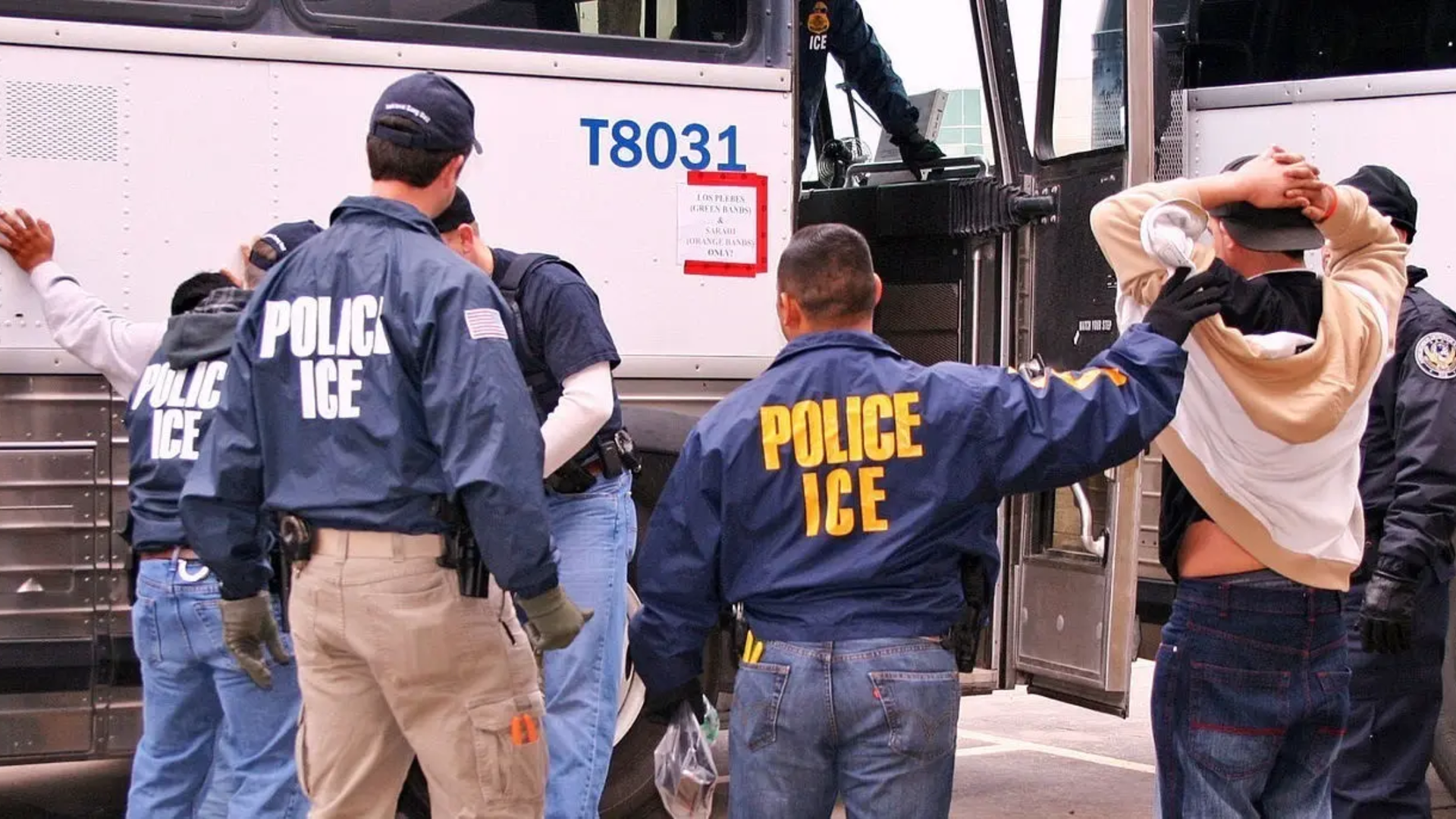
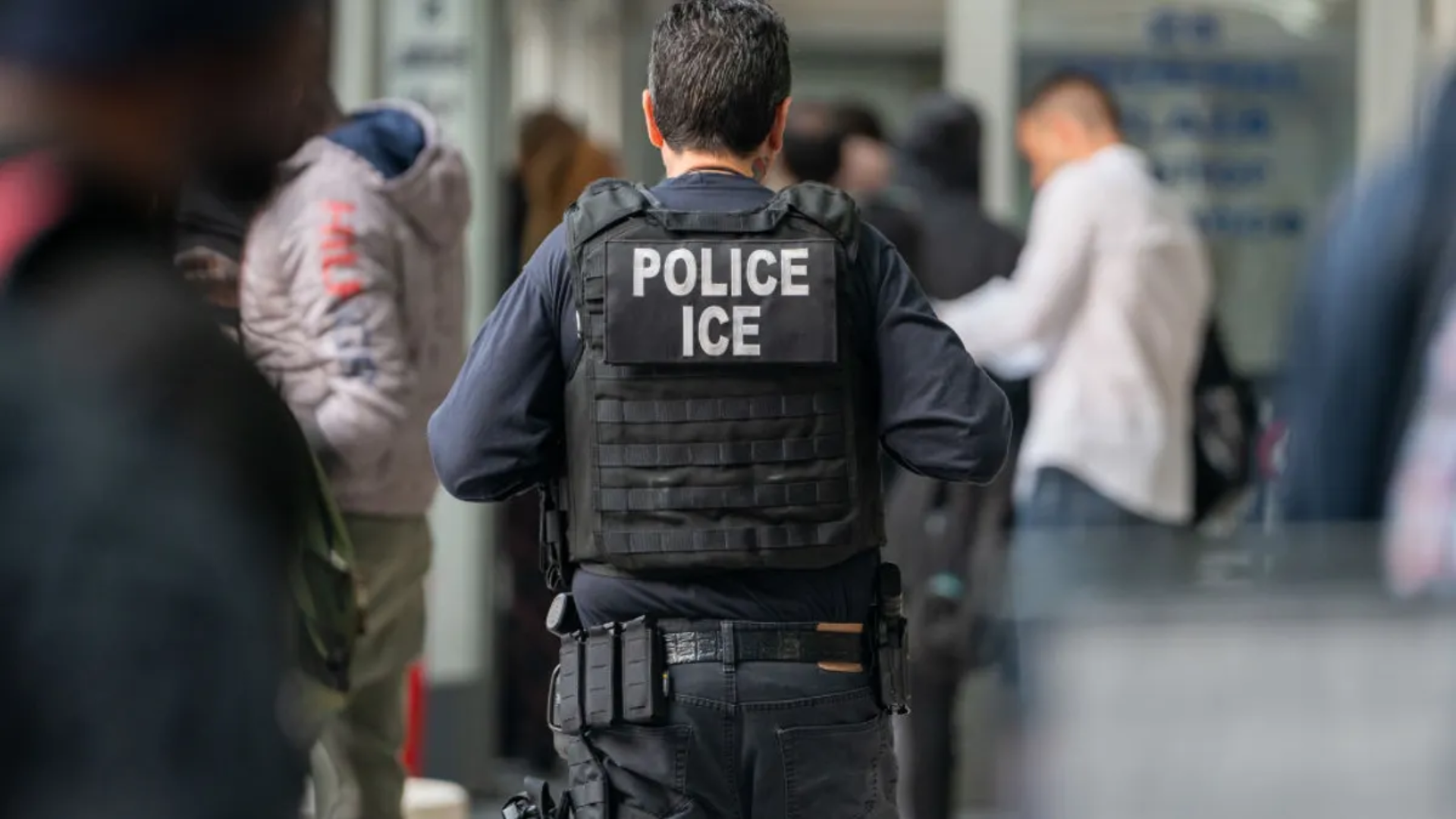
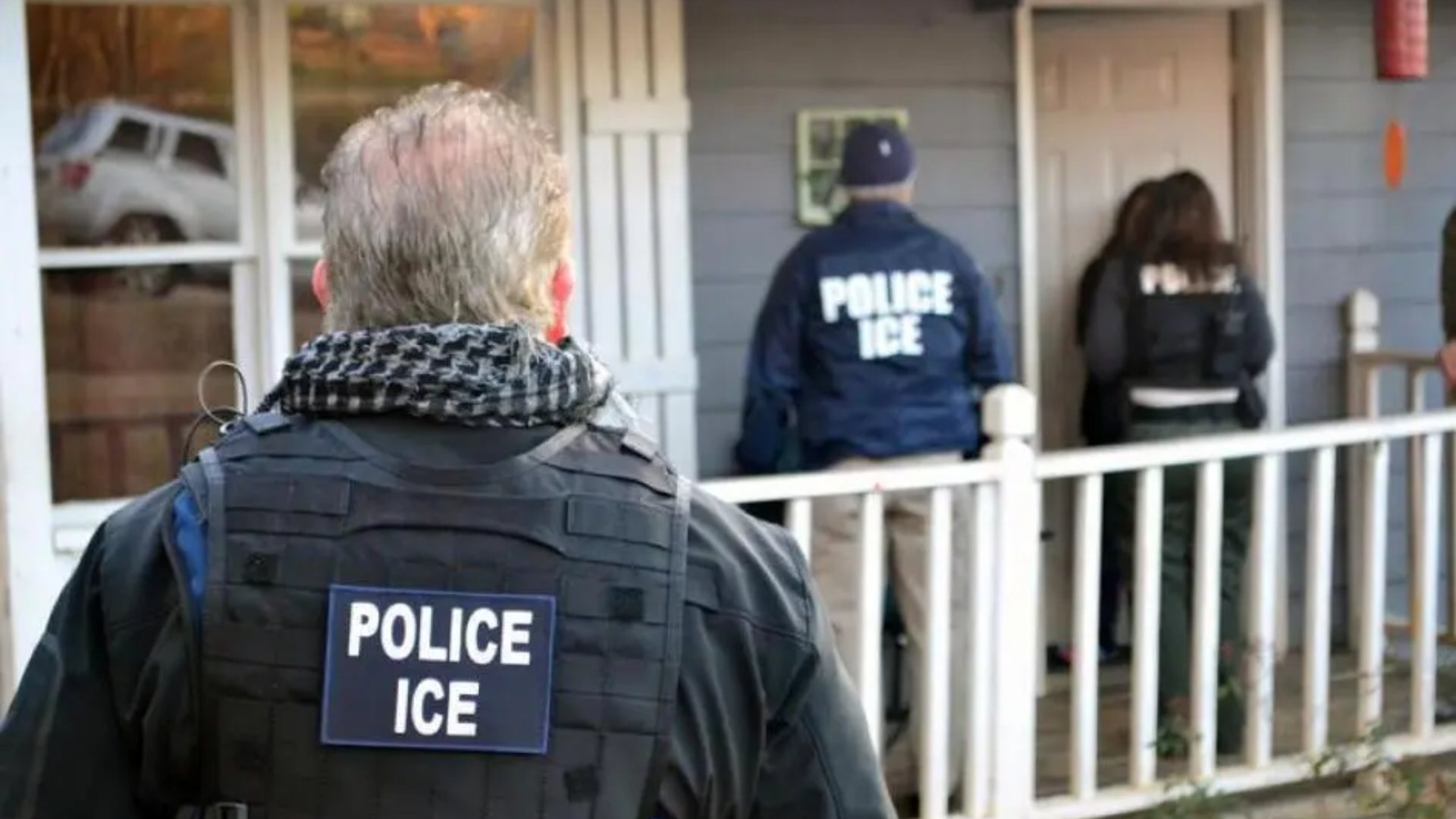
During election periods, reports have surfaced regarding federal agents visiting homes and asking questions related to voting. Understanding your constitutional rights inside your home is critical:
- You Have Maximum Privacy in Your Home: You are not legally required to open your door to anyone knocking to ask about your immigration status or voting history.
- Right to Remain Silent: If federal agents approach your home, you can choose not to answer. If you choose to speak through the door, you can inform them that you are exercising your right to remain silent and do not wish to answer any questions.
- Warrant Requirement: Federal agents are only legally entitled to enter your home or compel you to speak if they present a valid search or arrest warrant signed by a judge. Always ask them to slide any warrant under the door before opening it.
Watch the Full Interview & Learn More
For a full breakdown of these legal protections, watch attorney Mariam Masumi Daud discuss these critical voter rights issues in detail:
Watch the complete discussion on YouTube: Full Video: Know Your Rights at the Polls
Connect with Johnson & Masumi, P.C.
Stay informed on immigration updates, legal tips, and community guidance by following our official social media channels:
This article is provided for informational and educational purposes only and does not constitute formal legal advice. Every immigration situation is unique. If you have questions regarding your citizenship status, past registrations, or legal rights, contact the experienced team at Johnson & Masumi, P.C. at 703-506-1500 or visit johnsonmasumi.com.